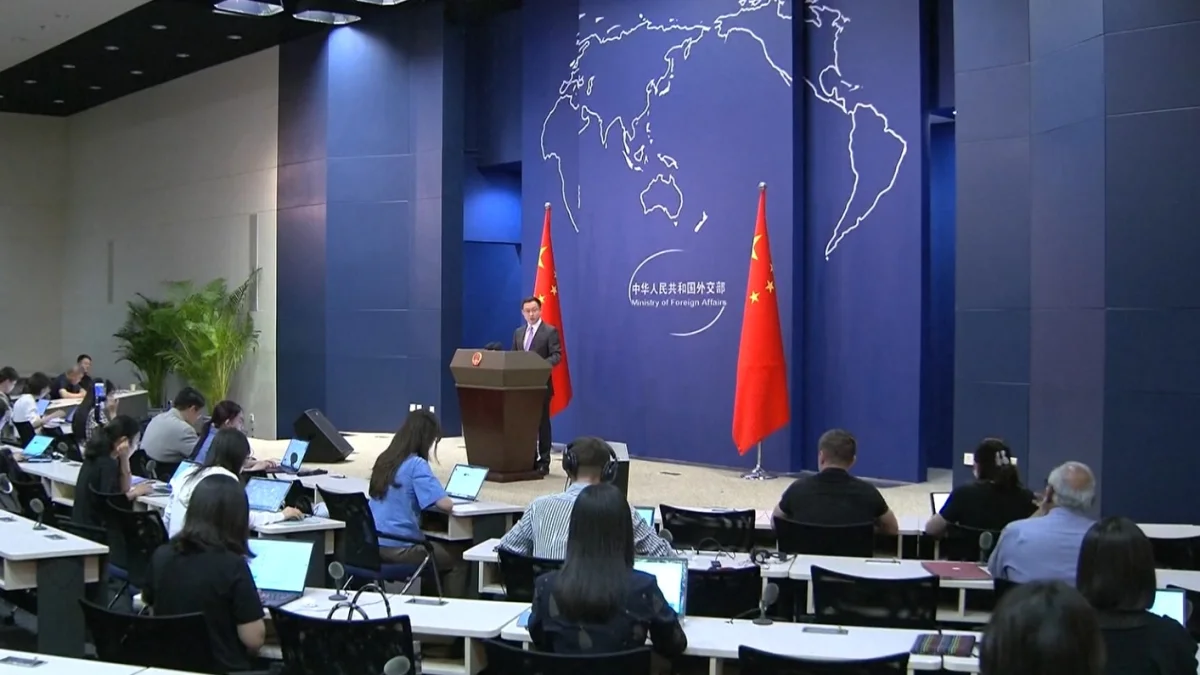

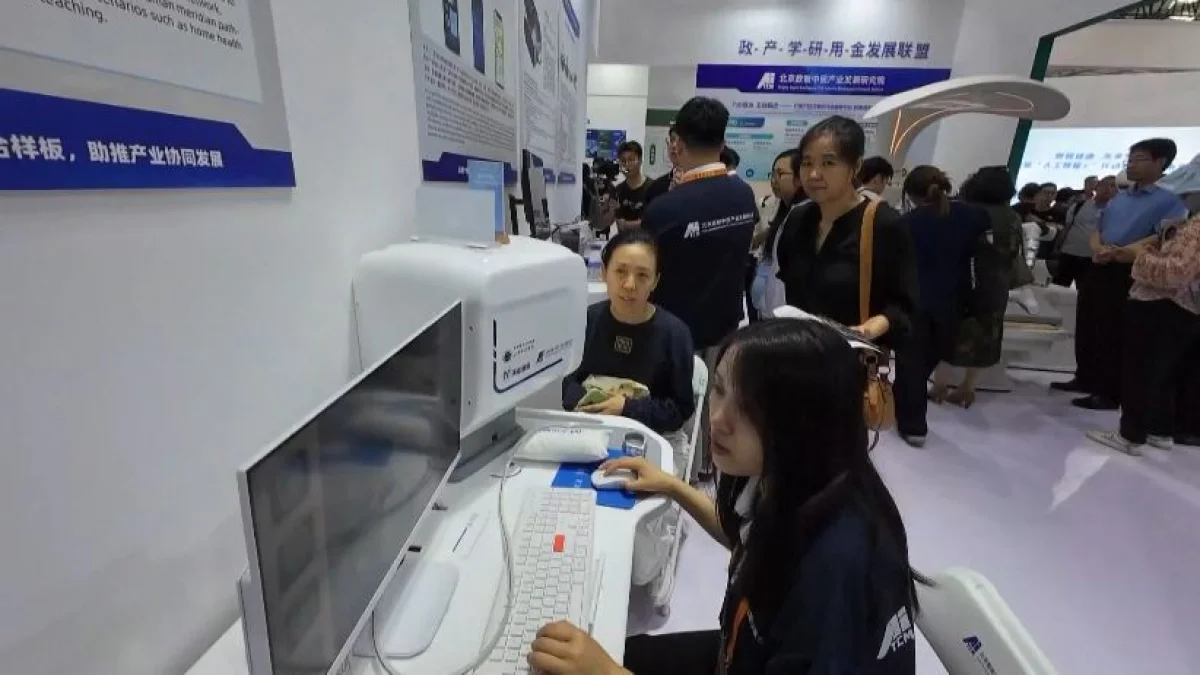
উপাত্ত নিরাপত্তা নিশ্চিত করার পাশাপাশি ডিজিটাল অর্থনীতিকে সহজতর করতে, বেইজিং পৌর সরকারের বিভাগগুলো সোমবার আন্তঃসীমান্ত উপাত্ত স্থানান্তরের জন্য শহরের দ্বিতীয় দফা নেগেটিভ তালিকা প্রকাশ করেছে।
বেইজিং পৌরসভার সাইবারস্পেস প্রশাসন, বেইজিং পৌর বাণিজ্য ব্যুরো এবং বেইজিং পৌর সরকারি পরিষেবা ও উপাত্ত ব্যবস্থাপনা প্রশাসন কর্তৃক যৌথভাবে প্রকাশিত এই নেগেটিভ তালিকার আওতা চায়না (বেইজিং) পাইলট ফ্রি বাণিজ্য জোন থেকে পুরো শহরে প্রসারিত করা হয়েছে।
২০২৪ সালে, বেইজিং পাঁচটি খাতকে অন্তর্ভুক্ত করে প্রথম দফা নেগেটিভ তালিকা জারি করেছিল — অটোমোবাইল, ঔষধ, বেসামরিক বিমান চলাচল, খুচরা ও আধুনিক পরিষেবা এবং কৃত্রিম বুদ্ধিমত্তা প্রশিক্ষণ উপাত্তা।
নতুন দফায় যুক্ত হওয়া আরও চারটি খাত হলো — চিকিৎসা সরঞ্জাম, বাণিজ্য সরবরাহ, ব্যাংকিং এবং স্বচালিত যান। এই নয়টি খাতভিত্তিক তালিকা একত্রে বহির্গামী স্থানান্তর ব্যবস্থাপনার আওতাধীন উপাত্তর পরিধি স্পষ্ট করে, যা প্রতিষ্ঠান এবং গবেষণা সংস্থাগুলোর কার্যক্রম পরিচালনাকে আরও সহজ করে তোলে।
জেনিফার/ লুৎফর
তথ্য ও ছবি: সিসিটিভি
Beijing releases 2nd batch of negative lists for cross-border data transfer---------
Beijing municipal government departments released the city’s second batch of negative lists for cross-border data transfer on Monday, to facilitate digital economy while ensuring data security.
The negative list, jointly released by the Cyberspace Administration of Beijing Municipality, the Beijing Municipal Commerce Bureau, and the Beijing Municipal Administration of Government Services and Data Management, expands its scope from the China (Beijing) Pilot Free Trade Zone to the entire city.
In 2024, Beijing issued its first batch of negative lists covering five sectors -- automobiles, pharmaceuticals, civil aviation, retail and modern services, and AI training data.
The new batch adds four sectors -- medical devices, trade logistics, banking, and autonomous driving (intelligent connected vehicles). Together, the nine sector-specific lists clarify the scope of data subject to outbound transfer management, making it easier for enterprises and research institutions to operate.
"Take the negative list for medical devices as an example. In common business scenarios such as device development and clinical trials, we have established tiered management rules regarding individual subjects' health and physiological information, including medical records and examination reports," said Yang Hu, director of the Cybersecurity Coordination Division of the Cyberspace Administration of Beijing Municipality.
"For outbound data involving 50,000 or more individuals annually, a security assessment must be submitted. For data involving 10,000 to 50,000 individuals, filing or certification is required to ensure that personal information protection measures are in place. For data involving fewer than 10,000 individuals, cross-border transfer is permitted in compliance with the law. Companies no longer need to determine on their own how or whether data can be transferred. They can simply follow the negative lists," said Yang.