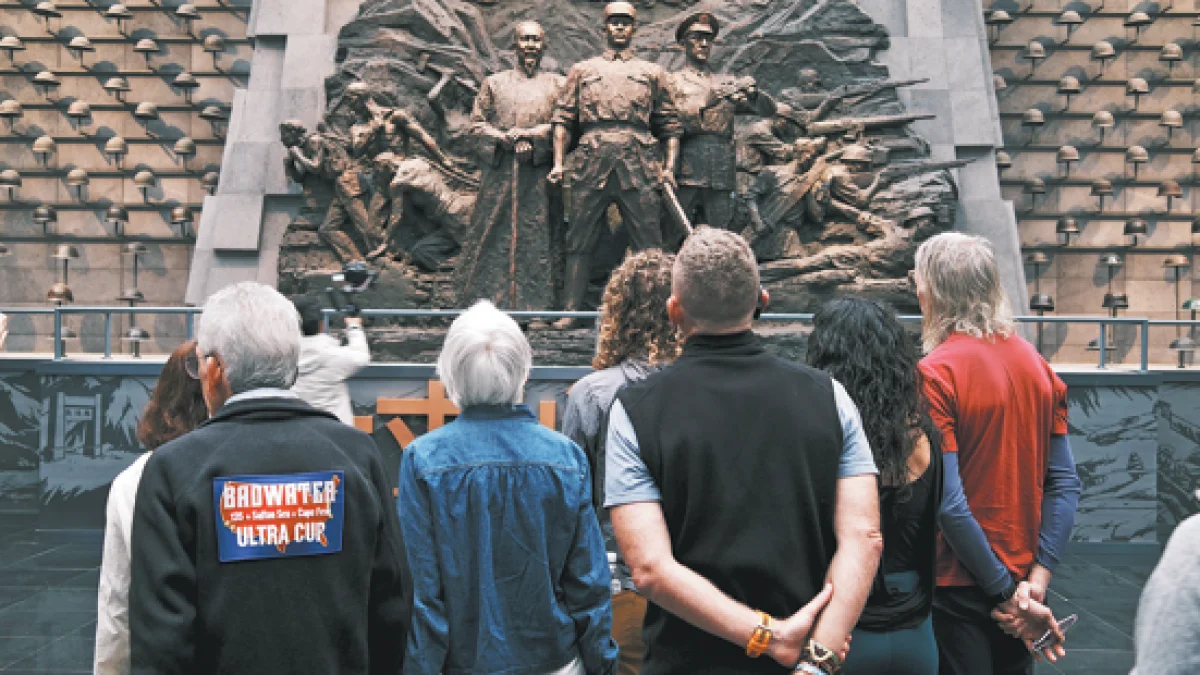
গতমাসে দক্ষিণ-পশ্চিম চীনের মাউন্ট কাওলিকংয়ে আয়োজিত এক দৌড় প্রতিযোগিতায় অংশ নিতে মার্কিন যুক্তরাষ্ট্র থেকে একদল দৌড়বিদ এসেছিলেন চীনে। তবে সেই প্রতিযোগিতায় মাঠে নামার আগেই দুই দেশের মাঝে সংযোগ স্থাপনকারী এক আবেগঘন ইতিহাসের ঝলকে আটকে গেলেন তারা।
ইউনান প্রদেশের তেংচোংয়ে প্রতিযোগিতামূলক দৌড়ে অংশ নিতে প্রস্তুত তারা, তারই একদিন আগের ঘটনা। ১৯৩১-৪৫ পর্যন্ত জাপানের আগ্রাসনের বিরুদ্ধে রুখে দাঁড়ানো চীনাদের যুদ্ধের প্রতি শ্রদ্ধা জানিয়ে প্রতিষ্ঠিত হয়েছে এক যুদ্ধ স্মৃতিসৌধ, আর সেখানেই পা রাখলেন দৌড়বিদেরা। এই স্মৃতিসৌধে বিশেষ মনোযোগ দেওয়া হয়েছে চীনা অভিযাত্রী বাহিনী ও তাদের সেই যুদ্ধের প্রতি, যার মাধ্যমে ইউনান ও মিয়ানমারের মাঝে সরবরাহ ব্যবস্থা জিইয়ে রেখেছিলেন তারা।
সেই ইতিহাসে আরেকটি বিশেষ অধ্যায় জ্বলজ্বল করছে, যার নাম ফ্লাইং টাইগার্স। যারা আনুষ্ঠানিকভাবে আমেরিকান ভলান্টিয়ার গ্রুপ নামে পরিচিত ছিল। এই গ্রুপ প্রতিষ্ঠা পায় ১৯৪১ সালে। যুদ্ধকালীন চীনা ও আমেরিকান স্থল সেনাদের সহযোগিতায় ভয়ংকর 'হাম্প' রুট হিসেবে পরিচিত ইন্ডিয়া থেকে কুনমিং, ইউনান এবং ছোংছিং রুটে সরবরাহ নিশ্চিতকরণে মিশন পরিচালনা করত এই ফ্লাইং টাইগার্স গ্রুপ।
সেই সময়কার যুদ্ধের এক বিমানসেনার সন্তান বব বেকার উপস্থিত হয়েছিলেন সেখানে। তিনি জানান, সৌধে রক্ষিত বিভিন্ন গল্প ও নিদর্শনগুলো নিজের কাছে পরিবারের ইতিহাসকে আরো পরিষ্কার করে তুলেছে।
সেখানে একজন গাইড ছিলেন যিনি ইতিহাসের বয়ান করছিলেন দর্শনার্থীদের কাছে। আমেরিকার সেই ফ্লাইং টাইগার গ্রুপ কিভাবে চাইনিজদের সঙ্গে কাঁধে কাঁধ মিলিয়ে যুদ্ধ করেছিল সেই গল্প শুনছিলেন বেকার। তার চোখ দুটো মন্ত্রমুদ্ধের মতো দেখছিল সেই বিমানসেনাদের পরিহিত স্যুটগুলো, তারা যেসব জিনিস ব্যবহার করতেন সেগুলো। দৃষ্টি তার ঝাপসা হয়ে আসে, ভিজে আসা চোখের জল আটকে রাখতে পারেননি তিনি।
বিমানসেনার ৮০ বছর বয়সী এই সন্তান বলেন, 'এটা ছিল হৃদয়গ্রাহী, আমি আবেগাপ্লুত হয়ে পড়েছিলাম। আমি বাস্তবিকভাবে উপলব্ধি করেছি, কারণ আমার বাবা ও চাচা এখানেই দ্বিতীয় বিশ্বযুদ্ধে লড়েছিলেন।'
তিনি আশা প্রকাশ করে বলেন, 'চীন ও আমেরিকার মানুষের মাঝে এই ঐতিহাসিক বন্ধন দেখতে চাইলে মার্কিনীরা এখানে আসতে পারেন।'
এই পরিদর্শনের পর মার্কিন এক দৌড়বিদ জোর দিয়ে বলেন, 'আমরা যখন ইতিহাস ভুলে যাই, তখন আমরা তারই পুনরাবৃত্তির ঝুঁকিতে থাকি।'
সূত্র: সিএমজি
War memorial visit a reminder of sacrifice, unity
A group of 10 US runners who participated in 2026 Tengchong Mt Gaoligong Ultra and their relatives visit a war memorial in Tengchong dedicated to the Chinese People's War of Resistance Against Japanese Aggression (1931-45). CHINA DAILY
Before competing in the Mt Gaoligong Ultra in Southwest China last month, a group of runners from the United States had a glimpse of history connected to both countries.
A day before the start of the race in Tengchong, Yunnan province, they visited a war memorial dedicated to the Chinese People's War of Resistance Against Japanese Aggression (1931-45) and its effect on that part of the country. A special focus of the memorial is the Chinese Expeditionary Force and the battle for the key supply line linking Yunnan and Myanmar.
Another highlight is the history of the Flying Tigers, officially known as the American Volunteer Group.
Formed in 1941, the Flying Tigers flew supply missions over the dangerous "Hump" route from India to Kunming, Yunnan, and Chongqing during the war to support Chinese and American ground troops.
Bob Becker, a son of one of the US airmen, said the stories and artifacts in the memorial brought his family history into sharp focus.
As he listened to the guide's detailed account of how the Flying Tigers fought side by side with the Chinese people, and looked at the flight suits they had worn, the items they had used, and photos capturing their interactions with local people, Becker could not hold back his tears.
A group of 10 US runners who participated in 2026 Tengchong Mt Gaoligong Ultra and their relatives visit a war memorial in Tengchong dedicated to the Chinese People's War of Resistance Against Japanese Aggression (1931-45). CHINA DAILY
"It was very impressive and I got emotional. I felt a real connection because my father and my uncle both fought in World War II here," the 80-year-old said.
Becker said he was deeply touched by their spirit of selflessness, and their pursuit of a greater good and their recognition of the difference between right and wrong.
He expressed hope that more people from the US could come and see such stories firsthand, and understand the historic bond between the American and Chinese people.
After the visit, Greg Pressler, another US runner, emphasized the importance of remembering history. "When we forget history, we are at risk of repeating it," he said.
In an unstable world, it was incredibly moving to hear the stories of sacrifice, not only by the Chinese people, but also by those from abroad who came to assist them, Pressler said.
The memorial shows how powerful it can be when people set aside differences to help one another, he added.
David Green, another US endurance athlete, said that the visit provided a sense of optimism. Learning about a time when the two nations worked closely together, he said, offered a powerful reminder of what is possible.
"It renews my hope," he said, "that people, even from different backgrounds, can unite together."